Water Removal Fordham, Bronx NY: pumps go in first for anything deeper than a few inches, extractors after that for carpet, tile and wood.
The equipment, and when it gets used
| Tool | What it's for | Where it shows up in Fordham |
|---|---|---|
| Submersible pump | Standing water an inch or more deep; runs unattended once set | Flooded cellars, boiler rooms, basement apartments |
| Trash pump | Large volumes of water with debris or sludge | Street-water and water-main floods in cellars and storefronts |
| Truck-mounted extractor | The strongest suction and heat for big jobs; hoses run in from the truck | Ground floors and cellars where hoses can reach from the street |
| Portable extractor | Strong extraction carried by hand where hoses from a truck can't reach | Upper floors of walk-ups |
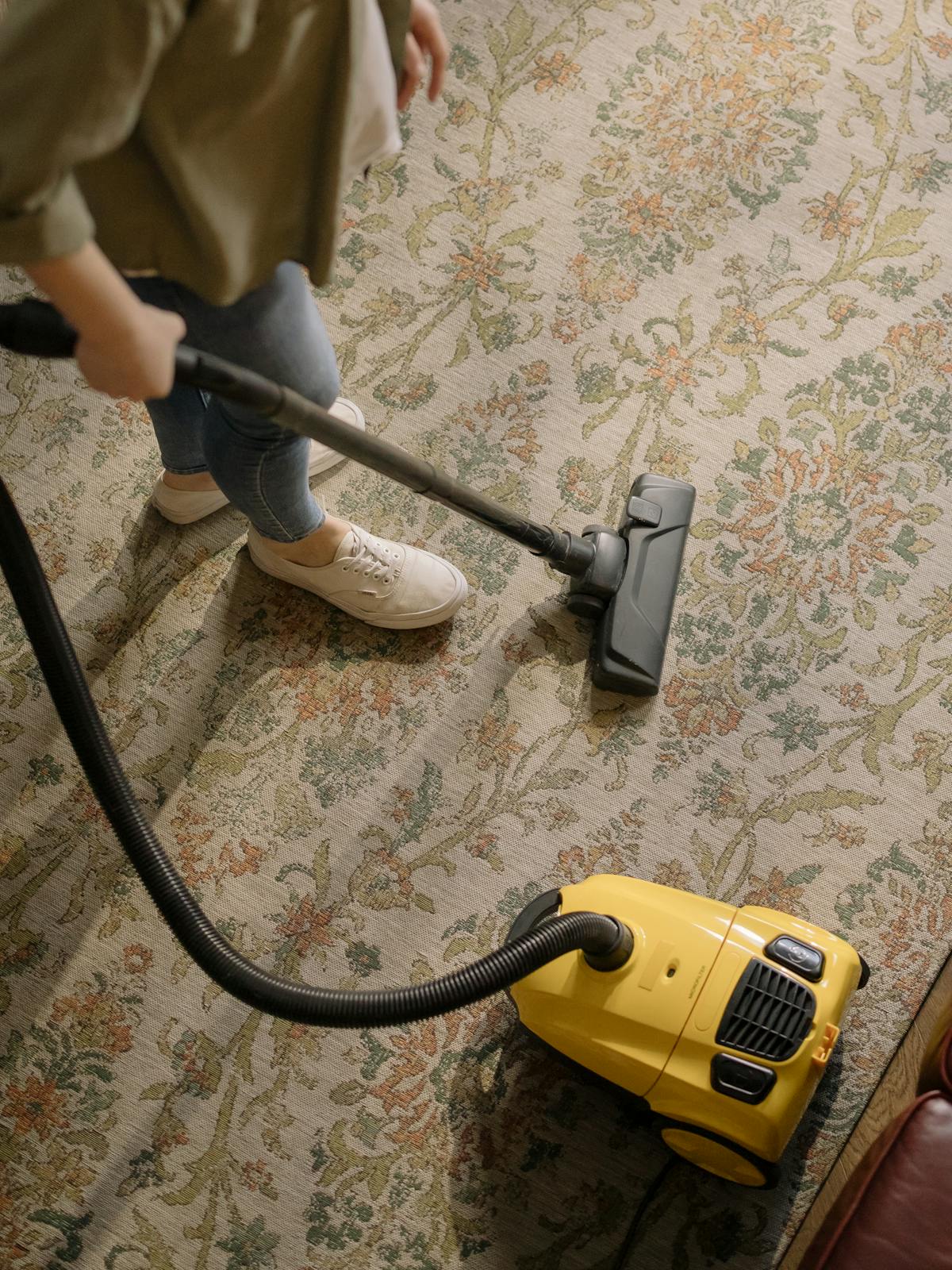
| Weighted / ride-on extraction tool | Presses water out of carpet and pad without lifting them | Carpeted apartments and offices, clean water only |
| Hardwood floor mats (panel system) | Suction pulled through the boards to draw water out of the wood and subfloor | Prewar oak and parquet floors |
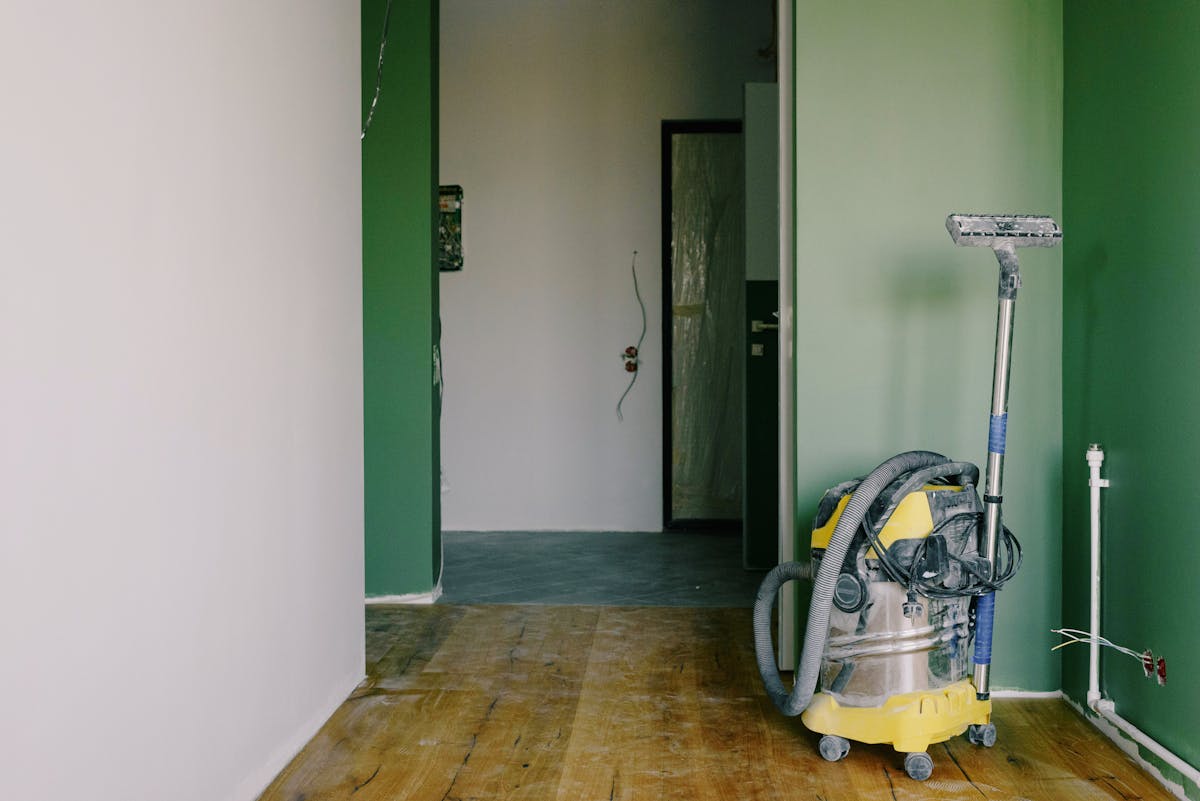
| Industrial wet/dry vacuum | Small areas, tight spaces, tile and concrete | Bathrooms, kitchens, closets, stairwells |
How water removal works on a job
- Identify the source and the category. Clean water (Category 1), gray water (Category 2) or sewage and flood water (Category 3) changes what can be extracted and saved.
- Remove standing water with pumps, then extractors.
- Extract from materials. Carpet and pad, rugs, hardwood and tile grout hold a lot of water. Repeated slow passes remove far more than a single fast one.
- Measure. Moisture meters and a thermal camera show what's still wet after extraction: inside walls, under floors and in the unit below.
- Hand off to drying. What extraction can't reach is removed by structural drying.
Choosing Equipment by Water Depth
Depth decides the tool: submersible pumps for a flooded cellar, truck-mounted or portable extractors for carpet, wand extraction for hard floors and stairs. Water Removal in Fordham, Bronx NY starts with whichever gets the most water out fastest.
Carpet and padding
With clean water caught early, carpet can often be extracted and dried in place. Padding soaks up more and dries slower, so it's often replaced. After Category 3 water, both carpet and pad come out: they can't be reliably decontaminated.
Hardwood floors
Many Fordham apartments have original oak strip or parquet floors. Wood that takes on water swells: edges lift ("cupping") or the middle rises ("crowning"). Extracting through the boards with floor mats, then drying slowly with dehumidification, gives the wood the best chance to settle back. The wood's moisture should be measured against a dry reference board in the same apartment before calling it done.
Drywall, plaster and insulation
Water wicks up drywall quickly. Plaster absorbs more slowly but holds water longer. Insulation inside an exterior wall can stay wet long after the surface looks dry. Extraction gets the free water out of the room; the moisture inside walls is a drying problem, and drying in place versus opening the wall is decided on readings and the water category.
Why not just a shop vac?
A shop vac moves some surface water. It doesn't have the suction to pull water out of carpet pad or wood, it can't handle a cellar full of water, and it shouldn't be used on sewage without proper protection. Most important, it doesn't tell you what's still wet.
How much water can a burst pipe release?
A lot, quickly. That's why the first priority is always stopping the source, and the second is getting water out before it travels to the floors below.
Local note: Fordham's deep cellars under walk-ups and storefronts often need submersible pumps before any extractor can go in.
The First Hour Matters Most
Every hour standing water sits, more of it soaks into floors and walls. For Water Removal Fordham, Bronx NY, pumps and extractors come on the first trip so removal starts the moment the contractor arrives.