
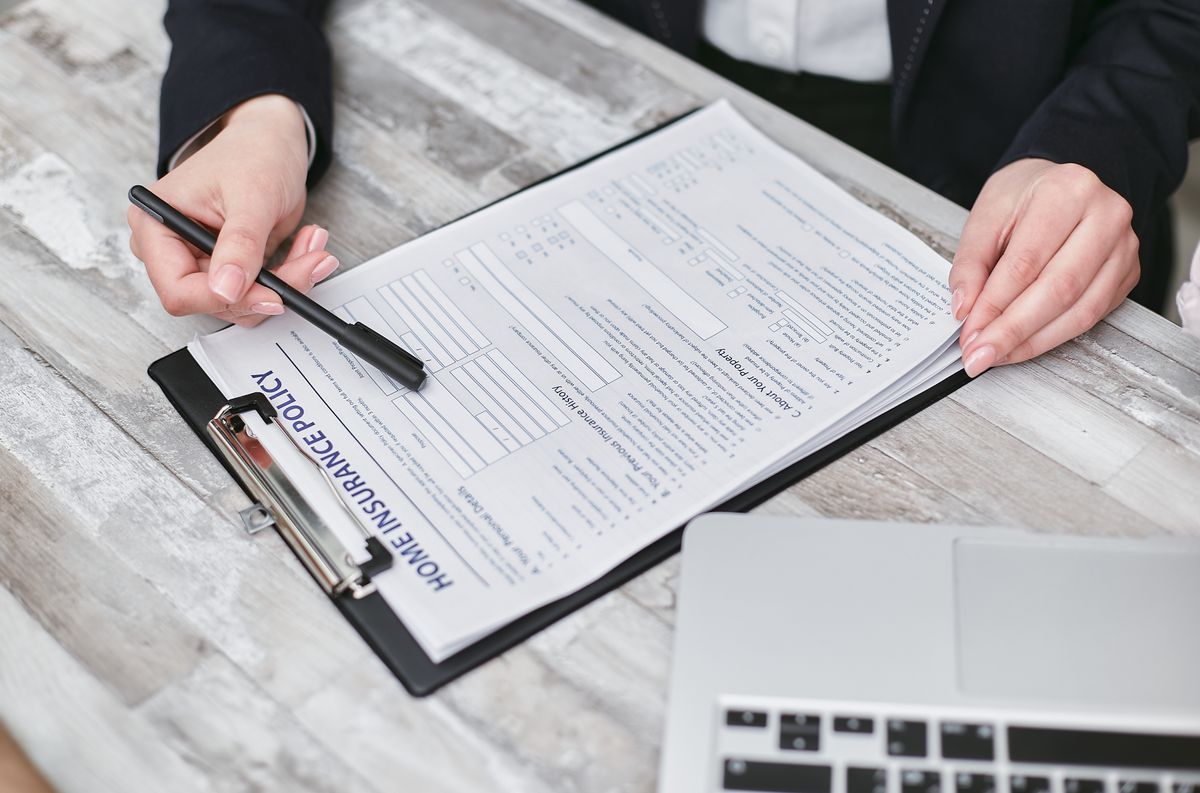
In short: Insurers expect the damage to be limited quickly, and a contractor's photos and readings show that it was.
The claim, step by step
Stop the source and stay safe
Shut the water, keep away from wet electrical fixtures, and get the super or a plumber to fix the leak.
Photograph before anything moves
Wide shots of each room, close-ups of damage, the water line on walls, the source (the pipe, the appliance, the ceiling), and serial numbers on damaged electronics and appliances.
Report it
Call or file online with your insurer and write down the claim number, the date, and who you spoke with. Ask what they need from you and by when.
Mitigate
Have the water extracted and the drying started. Keep damaged items if you can until the adjuster sees them, or photograph them well before disposal, especially anything contaminated that has to go.
Keep the paperwork
Invoices, the contractor's daily moisture readings and drying report, hotel and meal receipts if you had to leave, and a list of damaged belongings with approximate age and value.
Meet the adjuster
Walk them through the damage and the cause. Ask for the scope of what they're approving in writing.
Review the settlement
Compare it with the written estimates. If something is missing, ask what documentation would change it.
What decides whether water damage is covered
| Usually covered by property policies | Usually not covered, or only with extra coverage |
|---|---|
| Sudden, accidental discharge: a burst pipe, a failed supply hose, an appliance overflow | A slow leak that went on for weeks or months |
| Water from a unit above (claimed on your policy, then possibly passed on to theirs) | Flood: water coming in from outside at ground level, which needs a flood policy |
| Rain through a roof or window opening caused by wind | Sewer or drain backup, unless you have a backup endorsement |
| Damage caused by a frozen pipe, when reasonable care was taken to keep heat on | Wear and tear, deterioration, and repairs to the failed part itself |
Policies differ, and the wording of yours is what counts. Read the "water" and "exclusions" sections, or ask your agent to explain them.
What to Hand Your Adjuster
A source statement, timestamped photos, moisture readings by room and day, and a list of what was removed and why.
People in a New York claim
- Your insurer's adjuster works for the insurance company and is paid by it.
- A public adjuster works for you. In New York, public adjusters must be licensed by the Department of Financial Services (DFS), and by law their fee can't be more than 12.5% of the recovery. You can look one up on DFS's site.
- DFS itself takes complaints about insurers. If you believe a claim was handled unfairly, you can file a complaint with DFS.
- The NYC Comptroller handles claims against the City, such as damage from a City water main or sewer, with a 90-day deadline for the notice of claim. See water main break cleanup.
What to get from the contractor for your claim
- Dated photos of the water, the source and the damage, before and during the work
- Moisture readings by room, from the first visit to the last
- An equipment log: what ran, where, and for how many days
- A written scope of what was done and why
A drying contractor doesn't negotiate with your insurer or interpret your policy for you, and neither does this site. If you want someone to represent you in the claim, that's a public adjuster or an attorney.
Local note: If a City main or sewer caused the damage, as with the Webster Avenue break of December 16, 2024 or the Jerome Avenue break of January 29, 2026, a notice of claim must reach the NYC Comptroller within 90 days, separate from any private insurance claim.
Records That Help a Claim
Photos, moisture logs and a drying report from the job give your adjuster a clear picture of what happened.