
In short: It stops the damage from spreading; rebuilding comes afterward and is a separate job.
Two stages, in order
| Mitigation | Restoration | |
|---|---|---|
| Goal | Stop the damage and get the building dry | Put the building back the way it was |
| When | Hours to days after the leak | After drying is confirmed |
| Typical work | Extraction, removing soaked carpet pad and drywall below the wet line, cleaning, dehumidifiers and air movers, daily readings | Drywall and plaster repair, flooring, trim, cabinets, painting |
| Paperwork | Photos, moisture readings, equipment log, drying report | Repair estimate, permits where required, change orders |
| What delays cost | Water spreads into plaster, subfloors and the unit below; mold risk rises after 24 to 48 hours | Usually just time; rebuilding a wet wall is what goes wrong |
Where Mitigation Ends and Rebuilding Begins
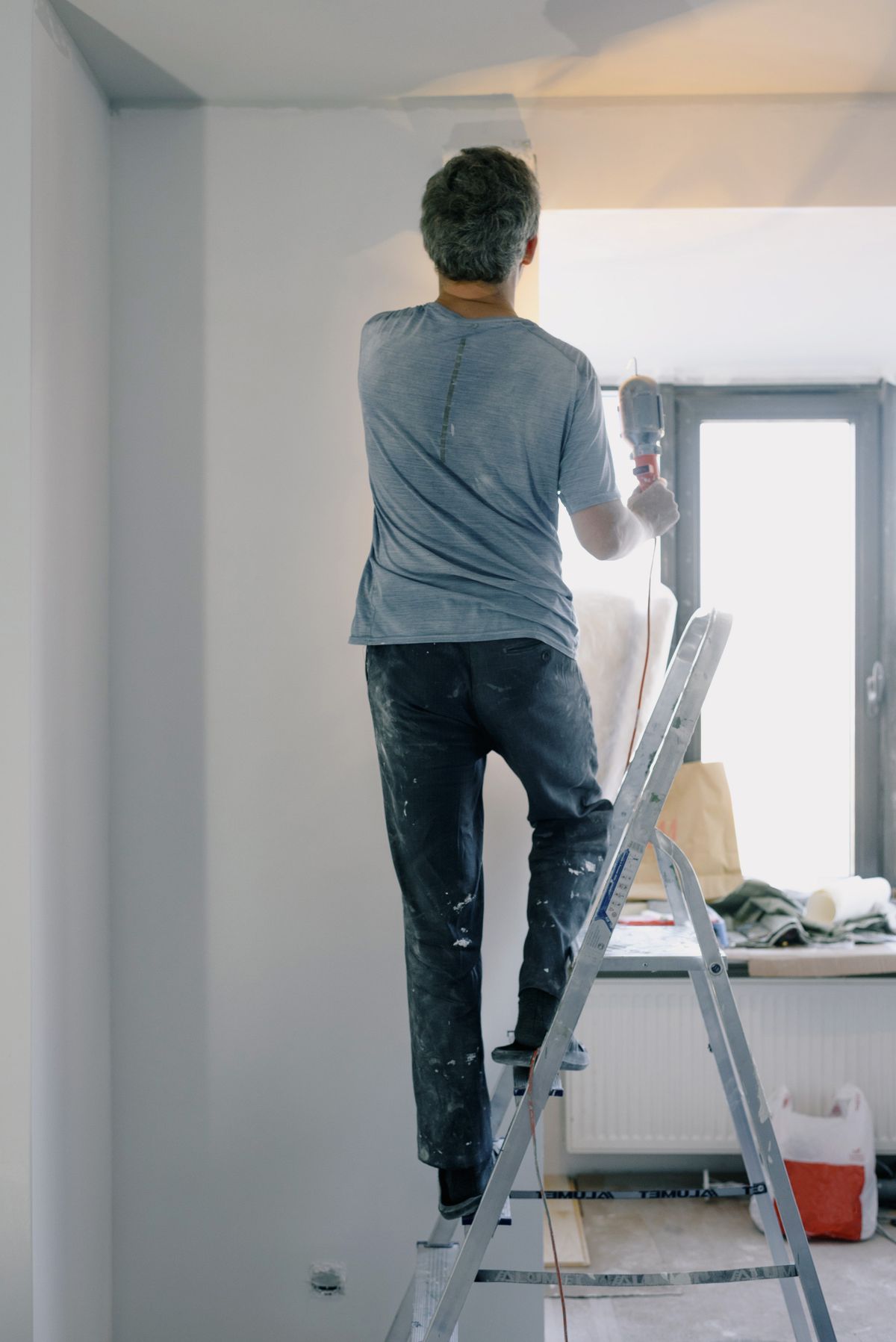
When materials are dry and documented, the space is ready for whoever does the repairs.
Why the order matters
Closing up a wall or laying new flooring over damp plaster, subfloor or masonry is how a repaired room smells musty a month later, or grows mold behind fresh paint. In Fordham's prewar buildings, plaster and brick hold water for a long time and look dry well before they are. The rebuild should start only when moisture readings show the materials are back to normal.
Who does which stage
A drying contractor handles the mitigation stage: extraction, drying and the records that prove it. That work should stop when the building reads dry, with a drying report for you, your landlord or your insurer. Repairs to finishes are done by the contractor the owner chooses. Pipe repairs are done by a licensed plumber and roof repairs by a roofer.
How insurers usually see it
- Mitigation is the part your policy expects you to do right away, to prevent further damage.
- Restoration is usually estimated and approved after the adjuster has seen the damage and the drying records.
- Keep the two invoices separate. It makes the claim easier to review.
More on claims in water damage insurance claims in NYC, and on drying in structural drying.
Local note: In stacked prewar buildings along the Grand Concourse and Valentine Avenue, mitigation often has to happen in several apartments at once before any one of them can be rebuilt.
Mitigation Starts Here
Stopping the spread and drying the structure is mitigation, and it comes before any rebuild begins.