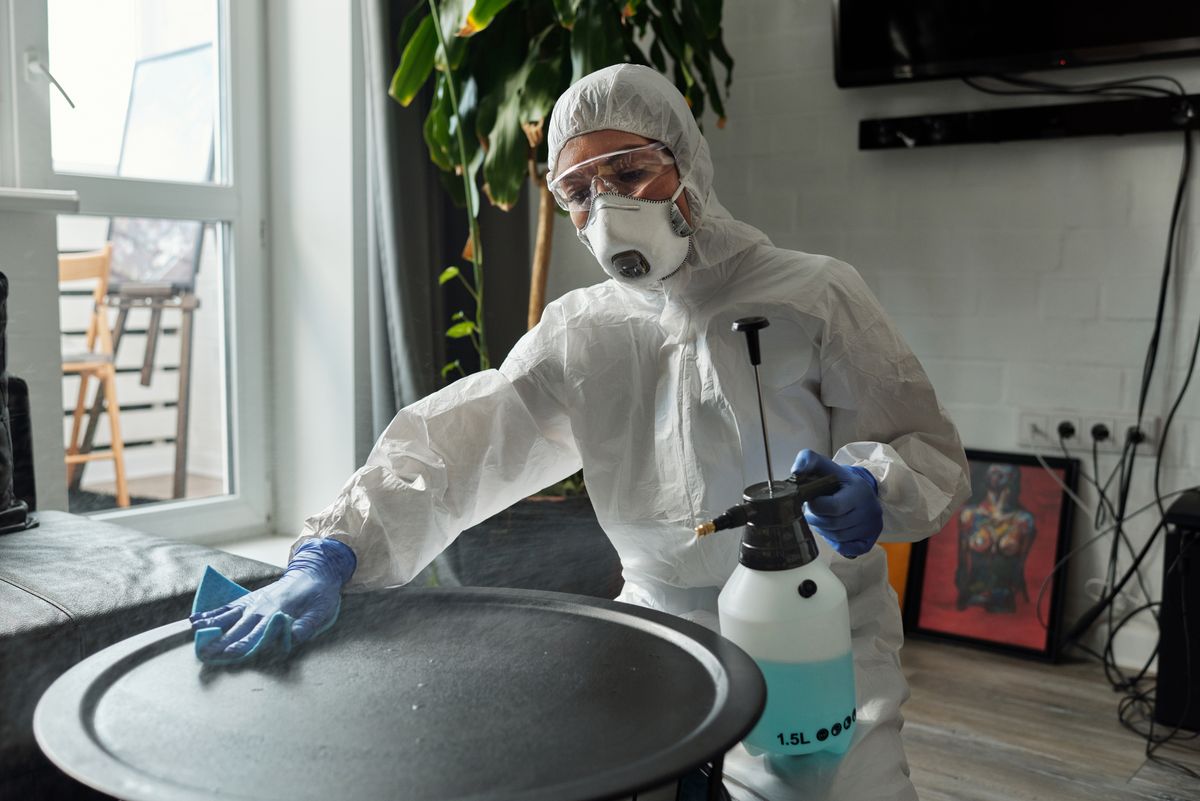
In short: The category decides what protective steps are needed and what can be saved.
Categories: how dirty the water is
| Category | Common Fordham sources | What it usually means |
|---|---|---|
| 1: clean | Burst supply pipe, failed supply hose, overflowing sink with clean water, rain through a window | If caught quickly, many materials can be dried in place. |
| 2: gray | Washing machine or dishwasher discharge, toilet overflow without feces, clean water that sat for a day or two | Cleaning and treatment; some porous materials may need to come out. |
| 3: black | Sewer backup through a cellar drain, toilet overflow with feces, storm or street water, water main flooding | Protective gear; porous materials it soaked usually come out; disinfection. |
Water gets worse with time
Categories aren't fixed. Clean water that sits on a floor, soaks through dusty plaster or picks up dirt from a cellar can turn into Category 2 within a day or two, and Category 2 can become Category 3. That's one more reason extraction shouldn't wait until morning.
How the Work Changes by Category
Clean water can often be dried in place; gray and black water bring protective gear, removal and disinfection.
Classes: how much water and how hard it is to dry
The industry also uses classes to describe how much water is in the space and how much drying it will take:
- Class 1: a small area, mostly low-porosity materials, little water absorbed.
- Class 2: a whole room, with carpet, pad and the bottom of the walls wet.
- Class 3: the most water, often from overhead, with ceilings, walls, insulation and floors soaked.
- Class 4: specialty drying: dense materials like hardwood, plaster, brick and concrete that hold water deep inside.
A lot of Fordham jobs are Class 4 by nature, because prewar buildings are made of plaster, brick and old hardwood. That's why drying here often takes longer than people expect.
How it changes the job
- The workers' protective gear
- Whether carpet, pad and drywall can be saved
- Whether surfaces need disinfection
- How long drying takes
- Which insurance coverage applies, since sewer backup and flood are treated differently. See flood vs. water damage insurance.
Local note: During cloudbursts like Ida (September 1, 2021) and July 14, 2025, water that came up through Fordham cellar floor drains was Category 3, because rain and sewage share the same combined-sewer pipes.
Category Shapes the Job
Clean, gray or black water each change the safety steps and the decisions about what to remove.